How to Build Meaningful Connections with Your Kids in a Fast Paced World

Families move quickly. Breakfast can feel like a pit stop, school drop-off turns into a race against the clock, and evenings often disappear into homework, dinner, laundry, sports, baths, and one more email that could not wait.
Most parents are not trying to be distracted. They are trying to keep everyone fed, clothed, learning, growing, and somewhat on time. The hard part is that connection with kids does not always announce itself as urgent. It may show up as a silly question from the back seat, a child lingering at bedtime, or a request to help build something right when the kitchen needs cleaning.
Those moments can be easy to rush past. Yet many of them are invitations.
Building meaningful connections with your kids does not require perfect schedules, elaborate family nights, or endless free time. It starts with slowing down in small, repeatable ways and letting children feel seen in the middle of ordinary life.

The pressure to do everything can crowd out connection
Modern family life can feel overfilled from every direction.
Work stretches past the usual hours. School events land on the calendar. Kids have practices, lessons, appointments, projects, and friend plans. Home life brings its own steady list of meals, dishes, bills, cleaning, pet care, and errands.
Even good things can become too much when they leave no room to breathe.
A child may spend the day surrounded by people and still crave a few calm minutes with a parent. A parent may spend the whole day doing things for their child without having much time to simply be with them.
That difference matters.
Doing things for children shows love. Packing lunches, driving to activities, checking homework, and making sure shoes still fit are all forms of care. But children also need moments when a parent is not managing, correcting, teaching, or rushing. They need moments of shared attention.
That is where deeper connection grows.
Slowing down is not the same as doing less
Slowing down does not always mean quitting activities or clearing the entire calendar. Sometimes it means changing the pace inside the life you already have.
It might mean putting your phone in another room for ten minutes. It might mean sitting on the floor instead of calling directions from the hallway. It might mean asking one more question instead of giving a quick answer.
Small pauses can tell a child, “You matter to me right now.”
Children often open up during low-pressure moments. They may talk while stacking blocks, folding laundry beside you, riding in the car, or brushing their teeth. Eye contact is not always required. A formal “How was your day?” may get a shrug, while stirring pancake batter together may lead to a story about recess, a friendship worry, or something funny that happened at school.
Connection often comes sideways.
Simple rituals make love easier to feel
A ritual is just a repeated moment with meaning. It does not need to be fancy. In fact, the simpler it is, the more likely it will last.
Here are a few family rhythms that can create steady connection.
Bedtime stories
Reading together gives kids closeness, calm, and a predictable ending to the day. Even one short book or one chapter can become a treasured routine.
A weekly family activity
Try pancakes on Saturday, a walk after dinner, family drawing time, board games, or a living room picnic. The activity matters less than the togetherness.
One-on-one moments
If there is more than one child at home, individual time can be powerful. Ten minutes with one child, doing what they choose, can fill their emotional cup.
Car conversations
The car can be a surprisingly good place to talk. Keep it gentle. Ask about favorite parts of the day, funny moments, or what they are looking forward to.
Shared chores
Folding towels, cooking, watering plants, or feeding a pet can become connection points when the mood is relaxed. Kids often like being included more than being entertained.
The goal is not to create a perfect family routine. The goal is to create familiar openings where connection can happen again and again.
Make room for the child in front of you
Each child connects differently. One wants to talk. One wants to play. One wants to help. One wants a hug and no questions. One may seem independent but still needs small signs of closeness.
Pay attention to what makes your child light up.
Do they bring you drawings? Invite you into pretend play? Ask questions at bedtime? Follow you around the kitchen? Tell jokes? Want to show you every rock, stick, bug, and Lego creation?
These are not interruptions to real life. Many times, they are the real life you will remember.
This does not mean every request needs an immediate yes. Parents need boundaries, rest, and time to finish tasks. But when possible, try offering a specific yes.
“Give me five minutes to finish the dishes, then I want to see what you built.”
That kind of answer gives your child reassurance and keeps your promise realistic.

Use tools that help you be intentional
Even parents with the best intentions forget, get tired, or run out of ideas. That is why simple resources can help. They reduce the mental load and make it easier to choose connection.
The Shine Bright Mail Club is one resource designed with that in mind. Its monthly letters and family resources give parents a gentle way to pause, talk, and spend quality time with their kids. Instead of adding another complicated task to the calendar, it offers a ready-made reason to gather, read, reflect, and connect.
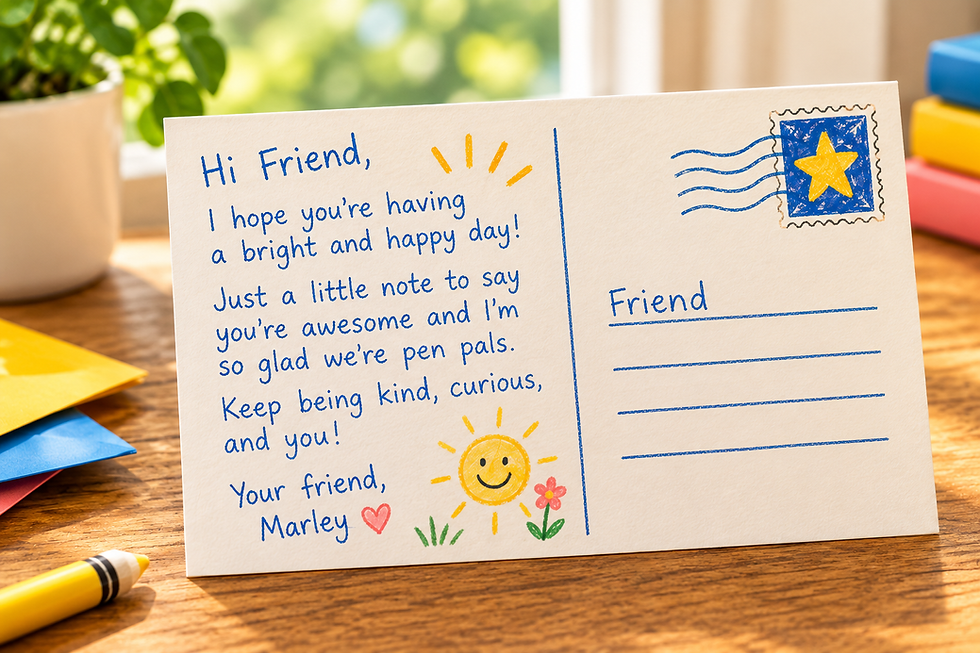
Kids often love receiving mail because it feels personal and special. A letter addressed to them can spark curiosity, conversation, and a sense of being remembered. For parents, it can become a monthly reminder to slow down and share a meaningful moment together.
That kind of support can be especially helpful during busy seasons, when good intentions need a little structure.
Connection grows through repair too
No family connects perfectly every day. There will be rushed mornings, short tempers, missed story times, distracted dinners, and evenings when everyone is simply done.
That does not erase the relationship.
Children benefit from seeing adults repair. A simple apology can be deeply meaningful.
“I was frustrated earlier and I spoke too sharply. I’m sorry. Can we try again?”
Repair teaches children that love can handle mistakes. It also shows them how to take responsibility without shame.
Meaningful connection is not built on flawless parenting. It is built on returning, again and again.
Start with one small moment today
If family life feels too full, begin with one small point of connection. Choose something so simple it almost feels too easy.
Read one book tonight. Sit beside your child for five quiet minutes. Ask about the best part of their day and listen without multitasking. Take a short walk. Let them help with dinner. Open a letter together. Laugh at the joke, even if you have heard it before.
A fast paced world will keep asking families to hurry. Children need places where they do not have to rush. They need steady moments that say, “I see you. I enjoy you. I am here.”
Those moments may be brief, but they are not small. Over time, they become the foundation your child carries with them.
Comments